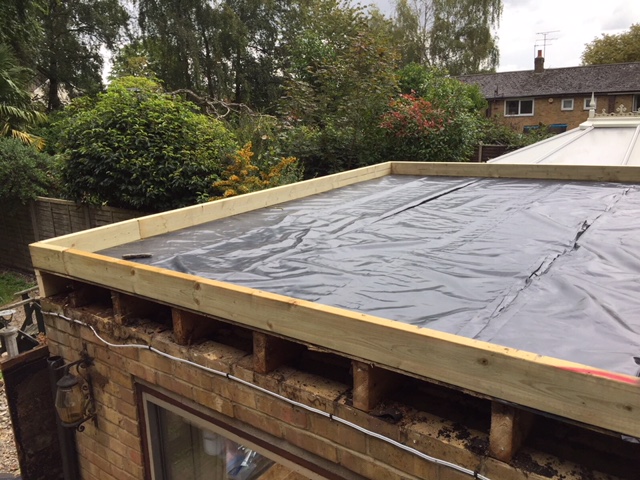
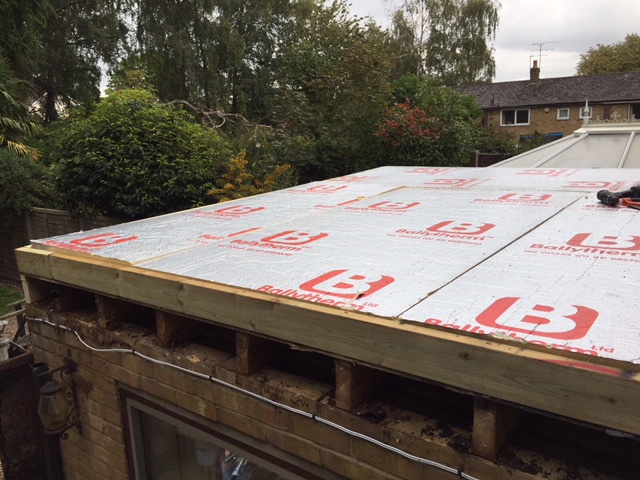
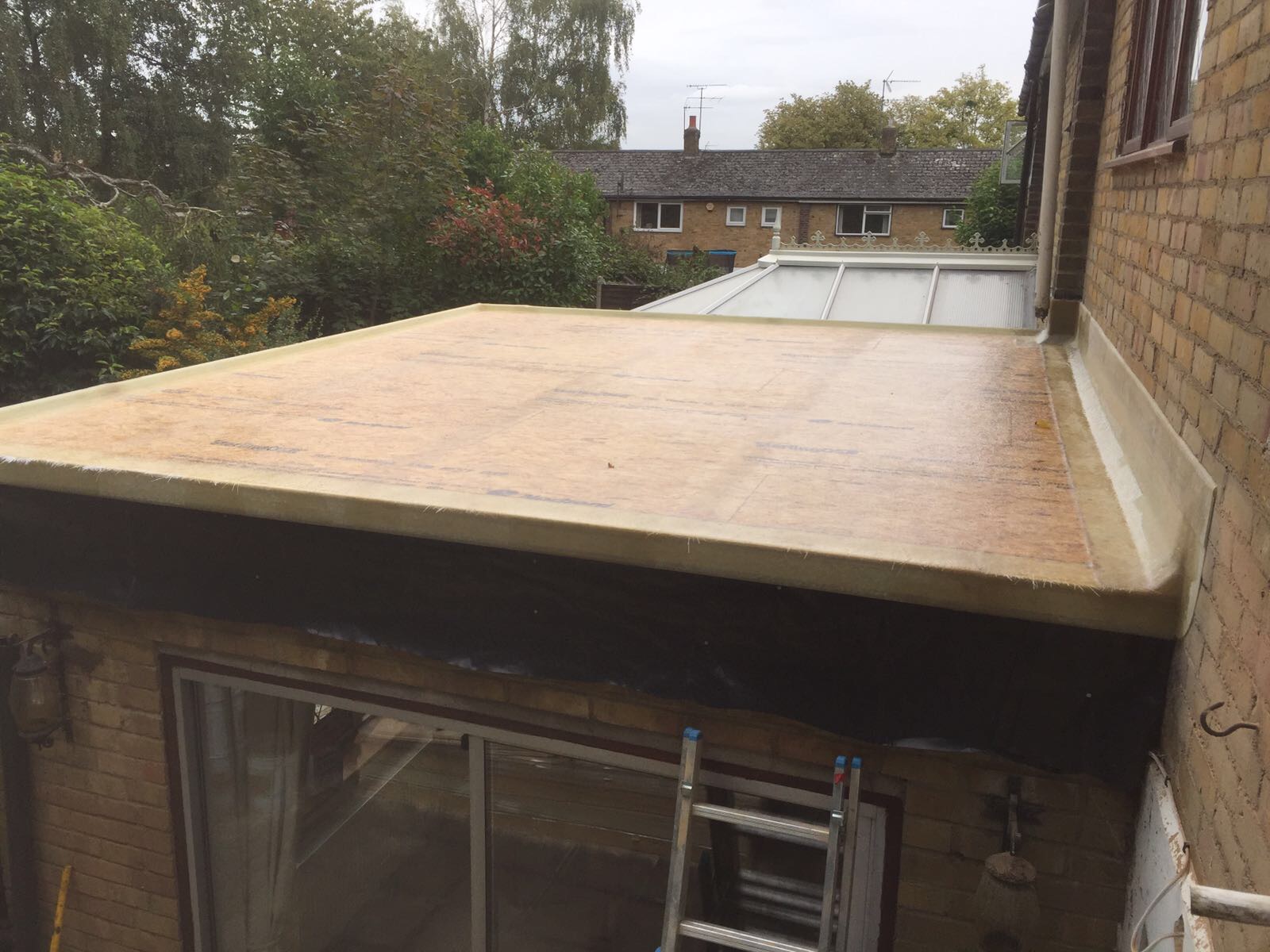
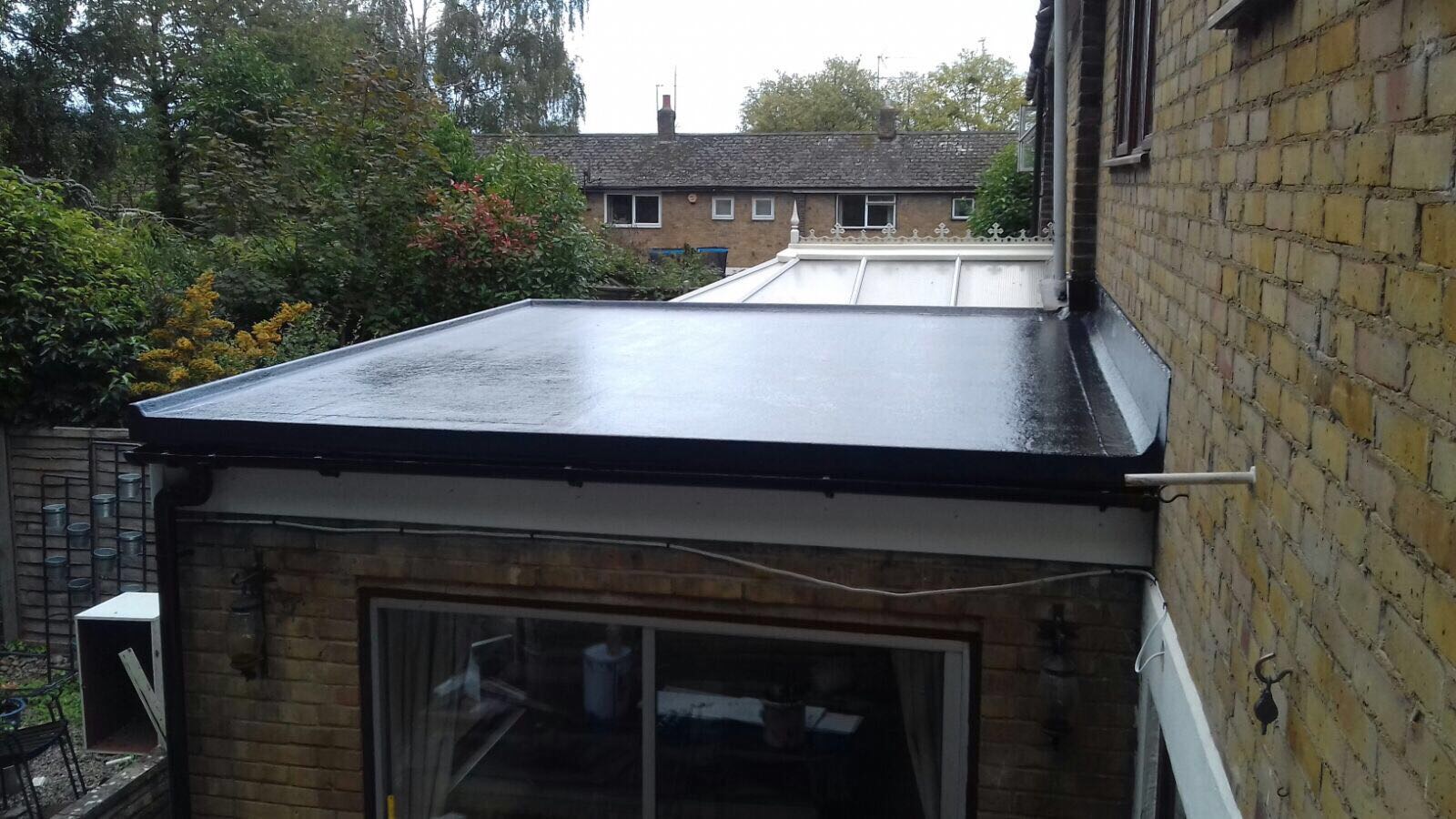
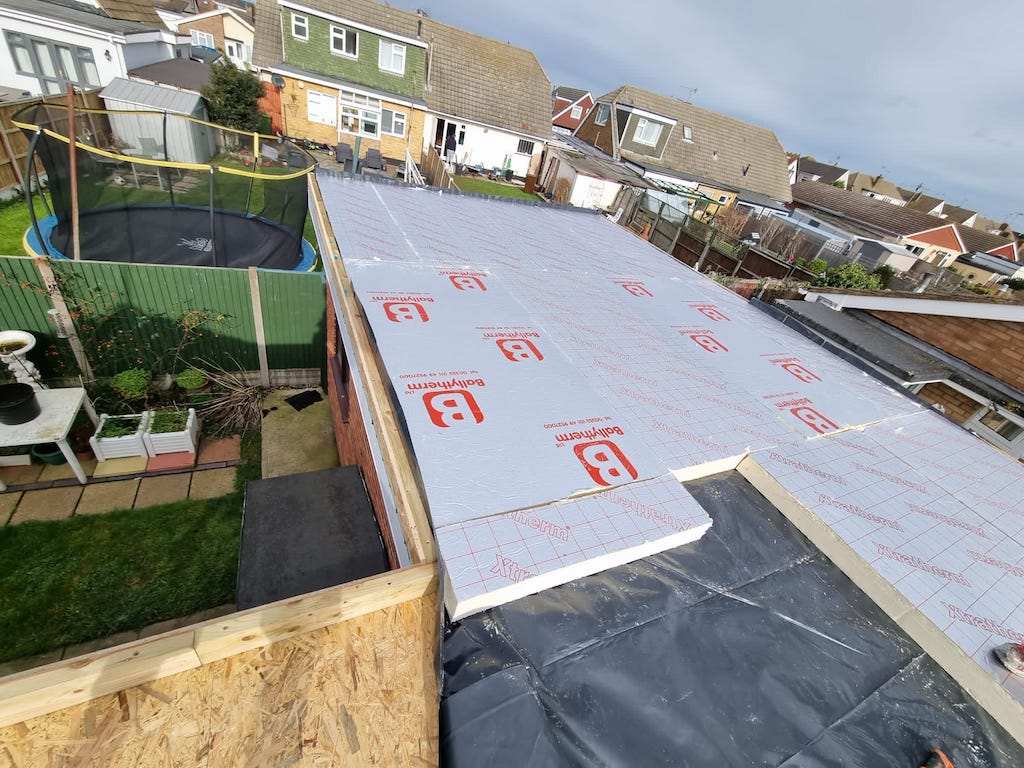
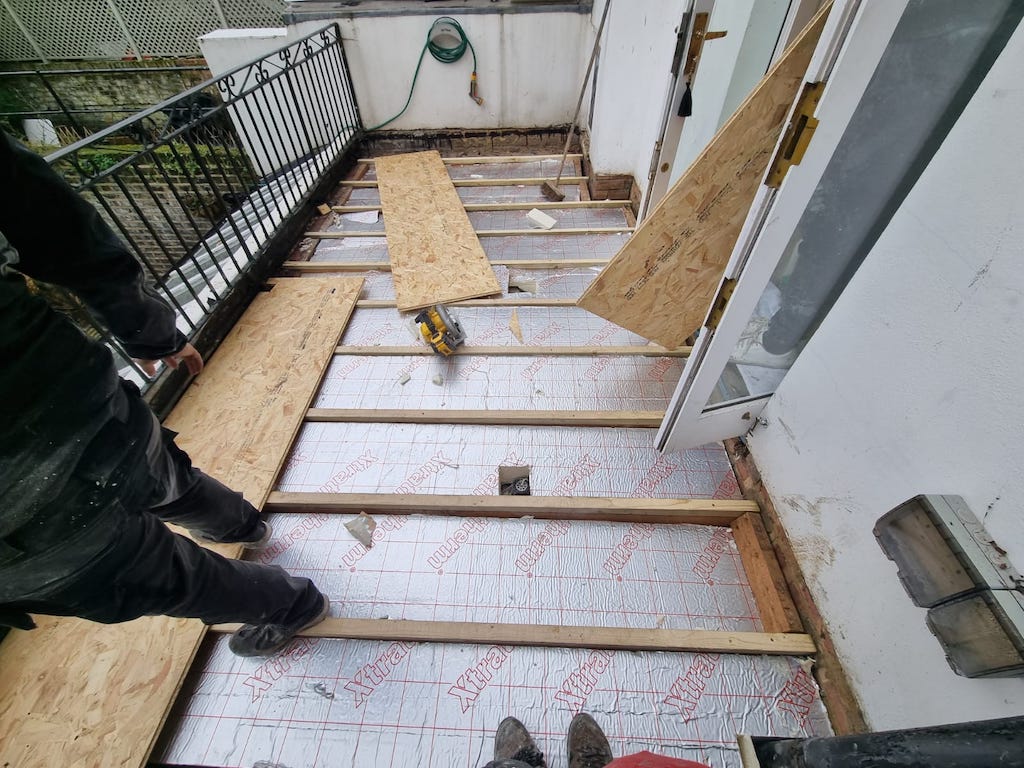
On flat roofs, a 'warm roof' is one in which the insulation layer is laid on top of the roof structure. This is opposed to a 'cold roof' in which the insulation is below, or within the roof structure, so the roof itself is closer to the outside temperature
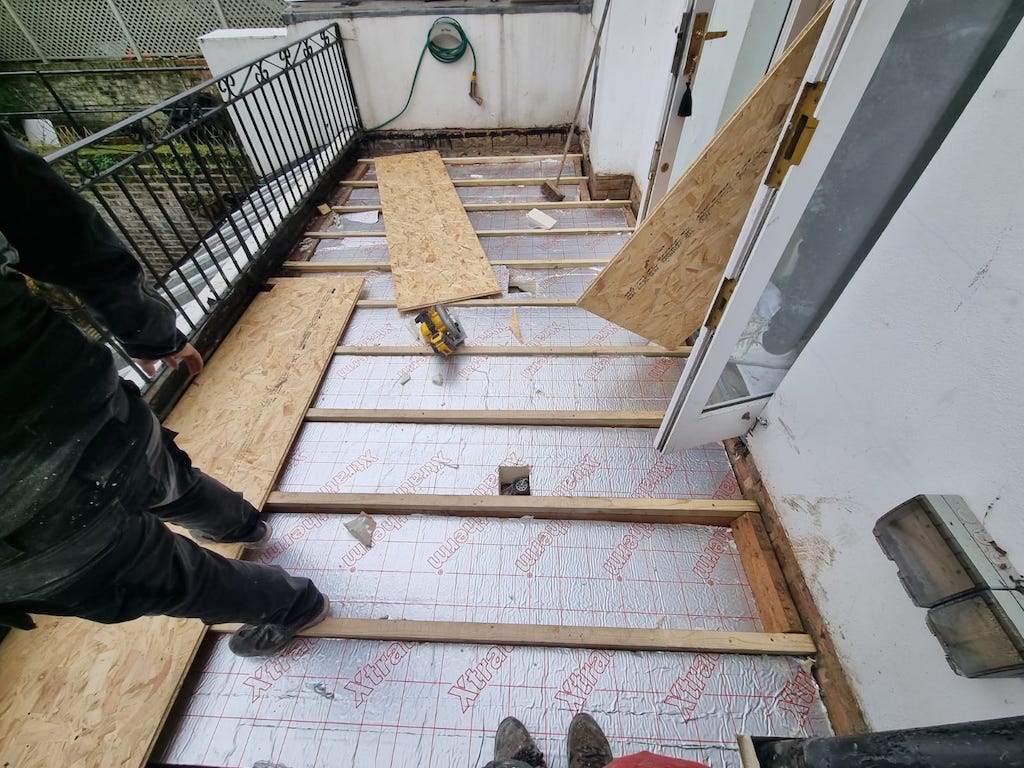
A warm roof is the easiest and most cost-effective type of insulation and is an ideal choice for pitched roofs. On some flat roof extensions and balconies, a warm roof would increase the height and isn't possible, in this scenario you should choose a cold roof insulation.
A warm roof is a type of roof construction which has an insulation layer above the rafters, and immediately below its weatherproof membrane. ... A warm roof construction allows heat to be conserved within a property – without the need for a ventilation system.
A 'warm roof' build on your property provides the great advantage of being almost 'intelligent' insulation, in that it allows moisture to escape but keeps the heat in. This helps the homeowner by reducing the risk of damp as a result of excess moisture.
This type of structure maintains the temperature in the roof space itself, thus preventing heat loss from the room below it.
You will find that generally, houses with 'warm roof' insulation are less-expensive to keep warm than those with a 'cold roof' - something evermore important in recent times! The ceiling space is at approximately the same temperature as the room below, which protects the property more from external moisture.
An added bonus to this type of insulation is that the moisture inside the property has no chance to build up, therefore timber frames will stay drier, which protects them in the longer term.
Cold roofs have a unique advantage during winter - they prevent ice dams and the leaks, which would result from the buildup of snow on the roof. Without a cold roof, the heat generated in the house radiates to all areas, including the attic. The warmth in the attic heats the roof and melts the snow above.
A cold pitched roof is where the insulation is placed either 'between' or 'between and under' the rafters or at ceiling joist level. This type of insulation system can be ventilated or not ventilated. However, if the roof is not ventilated then it will require a breathable membrane between the insulation and structure.
A cold roof' differs in the sense that, usually, any heat generated within the house itself will naturally radiate to all areas of the house, this includes the roof space. This raises the temperature of the roof itself slightly. In icy or snowy conditions, the snow that would form on your roof, melts due to the warmer roof. Any excess water from the melting snow or ice has to go somewhere, and in many cases, some will drain away (but not all|). This excess water collects. The more times this happens, the more water there is.
In time, this will cause problems for your roof - especially in flat-roof structures. The water can seep through, thus penetrating the roof structure itself and weakening the timbers. The damage to your property can be very expensive to repair. So, on the surface it may seem a good idea to get rid of snow on your roof but the consequences can be costly.
If you live in an area where snow and ice are a common occurence, it may be better to have a cold roof, as the roof itself reflects the outdoor temperature, the ice doesn't melt and cause problems.
In October 2010, the latest revision of Part L of the Building Regulations came into force with the objective of implementing the EU’s Energy Performance of Building Directive. The aim is to reduce energy use in buildings. Part L is concerned with the Conservation of Fuel and Power in buildings.
The Objective of Part L of the Building Regulations 2010 is to reduce the energy use in buildings by at least 25% compared with the 2006 regulations, which themselves were an improvement of 20% over the 2002 regulations.
The regulations come into effect when 50% or more of the roof area is being refurbished. In simple terms, it means that the whole of that roof must be brought up to the thermal efficiency demanded by the current regulations.
A strip and re-roof or even just the provision of a new layer of waterproofing, for example when striping and re-felting a flat roof, will usually necessitate the upgrading of the thermal performance of the roof.
This will in most refurbishment instances require the provision of additional thermal insulation to achieve an improved thermal efficiency (U value) in accordance with the regulations. If such an upgrade is not technically or functionally feasible or would not achieve a simple payback of 15 years or less, the element should be upgraded to the best standard that can be achieved.
Before work on a roof is carried out Fibrespan will fill in the necessary forms to Competent Roofer 5 days before the work is to be carried out giving Competent Roofer the chance to send one of their surveyors out to inspect the job in progress and upon completion.
Details and the extent of the proposed work will be confirmed to Competent Roofer within an application to renovate.
Competent Roofer is the Government-authorised scheme for England and Wales that allows Fibrespan to self-certify that their roofing refurbishment work complies with Building Regulations. Having the ability to do this means the customer does not have the inconvenience and cost of form filling to their local council, saving an average of £250+VAT on the certifications costs.
There is a maximum fine of £5000 for each case of non-compliance of the regulations and this would fall on the homeowner and/or the roofing contractor.
Roof work may be halted if started without the LABC and Competent Roofer being informed and any work opened up for inspection.
If work is carried out without a Building Control completion certificate the homeowner will experience difficulties when coming to sell the house. The homeowner CANNOT opt out from having their insulation upgraded to Part L. Unless it can be proved that the payback period will be more than 15 years or the work is not technically feasible, but even then the roof must be upgraded to the best standard that is within this criteria